
Sea Freight
Request your Sea Freight from Turkey service today and enjoy highly efficient logistics for transporting your goods through the world’s most important maritime routes.
Sancaktar provides complete support in planning, preparation, and execution to ensure a smooth, reliable, and well-organized shipping journey across major Turkish ports (e.g., Mersin, Istanbul).
Our service also integrates seamlessly with Container shipping (FCL/LCL) solutions to meet the needs of commercial and personal cargo of all sizes.
Why Is Sea Freight with Sengaktar the Smarter Choice?
Choosing Sancaktar is a strategic decision for anyone seeking Sea Freight from Turkey that combines expertise, precision, and cost-effective logistics.
Below are the top 10 reasons why Sancaktar is the ideal solution for businesses and individuals—especially those requiring Container shipping (FCL/LCL) from Turkish ports such as Mersin or Istanbul.
A wide maritime network connecting Turkey to major global ports, ensuring fast international delivery.
Strong operational experience in handling large containers and industrial or commercial cargo.
Direct coordination with international shipping lines to secure the best schedules and continuous cargo space availability.
Transparent pricing based on internationally recognized ocean freight rates—no hidden fees.
Tailored logistics solutions for partial and full container loads (LCL/FCL).
Accurate documentation and packing-list preparation to prevent delays in export or customs processing.
Multilingual support for international clients—essential in Turkey’s diverse market.
High-security standards throughout the maritime route with full compliance and maritime insurance options.
Ability to track vessels and monitor shipment status in real time.
Full integration with Sancaktar’s logistics departments (customs, packing, inland transport) for a complete shipping cycle.
Container Shipping Solutions from Turkey
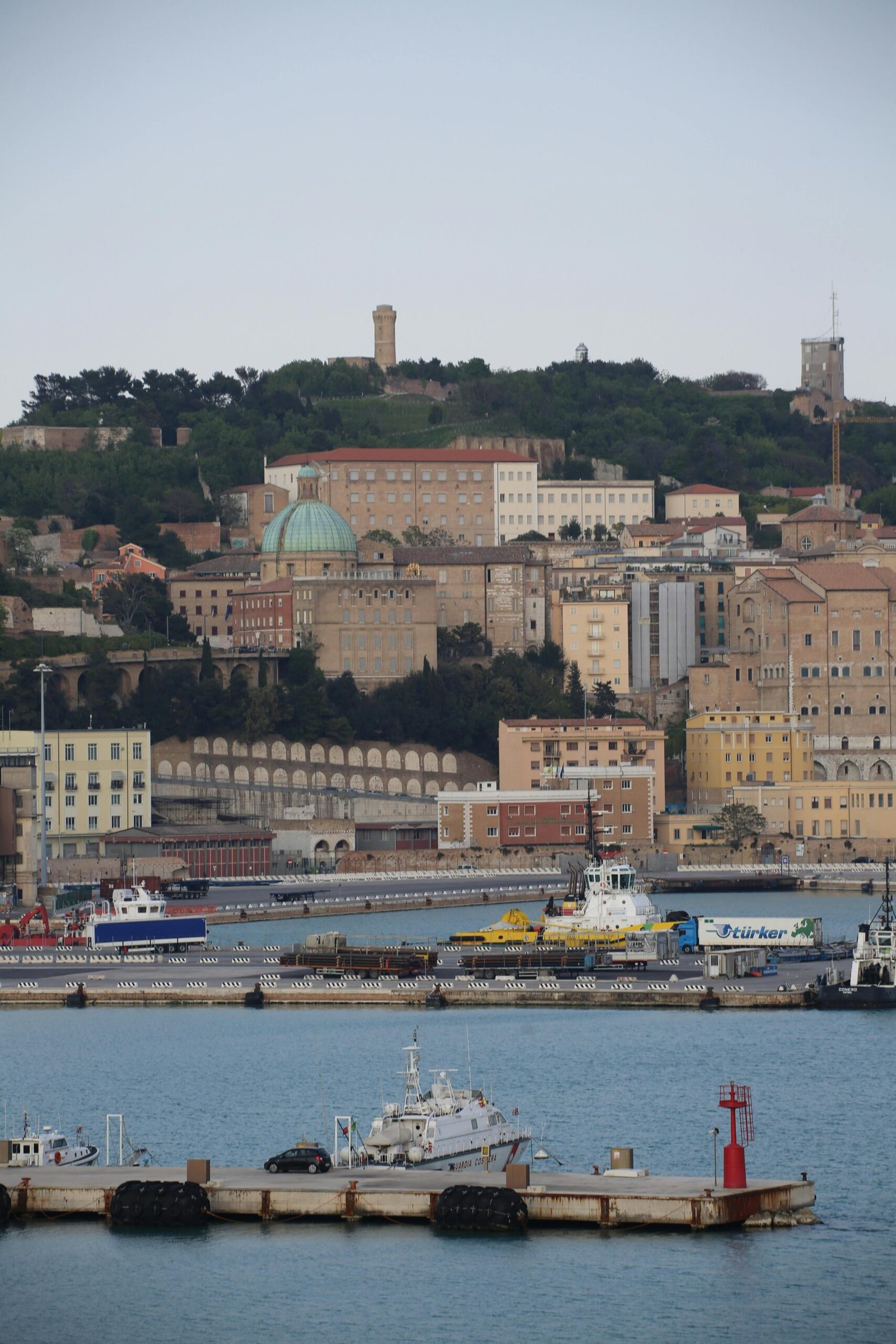
Sancaktar offers a professional end-to-end system for Container shipping (FCL/LCL) from Turkey based on global maritime standards. Our solutions accommodate commercial, industrial, and sensitive products, ensuring high efficiency from Turkish ports (e.g., Mersin, Istanbul) to the final destination.
Full Container Load Shipping (FCL)
Designed for companies transporting large quantities or oversized goods:
The container is fully dedicated to the client only.
Higher security due to minimal handling and fewer checkpoints.
Ideal for goods requiring extra protection or privacy during shipping.
Faster total transit time compared to LCL because of a fixed booking schedule.
Perfect for industrial shipments, bulk items, and high-value products.
This service also aligns with maritime insurance procedures for maximum cargo safety.
Less-Than-Container Load Shipping (LCL)
A cost-effective solution for clients shipping smaller quantities:
Multiple shipments are consolidated in one container to reduce cost.
Ideal for e-commerce businesses and small to medium enterprises.
No need to wait until a full container load is ready.
Organized loading to avoid friction or damage during transit.
Flexible option for recurring or irregular shipments.
This service leverages ocean freight rates to provide highly economical transport.
Refrigerated Containers
Suitable for food, medical supplies, agricultural products, or temperature-sensitive items:
Thermal insulation preventing weather or port-related damage.
Maintains product quality from the Turkish port to final delivery.
Ideal for perishables requiring strict temperature control.
Combined with maritime insurance, refrigerated shipping offers maximum protection during long ocean journeys.
How Do We Accurately Determine Sea Freight Pricing?
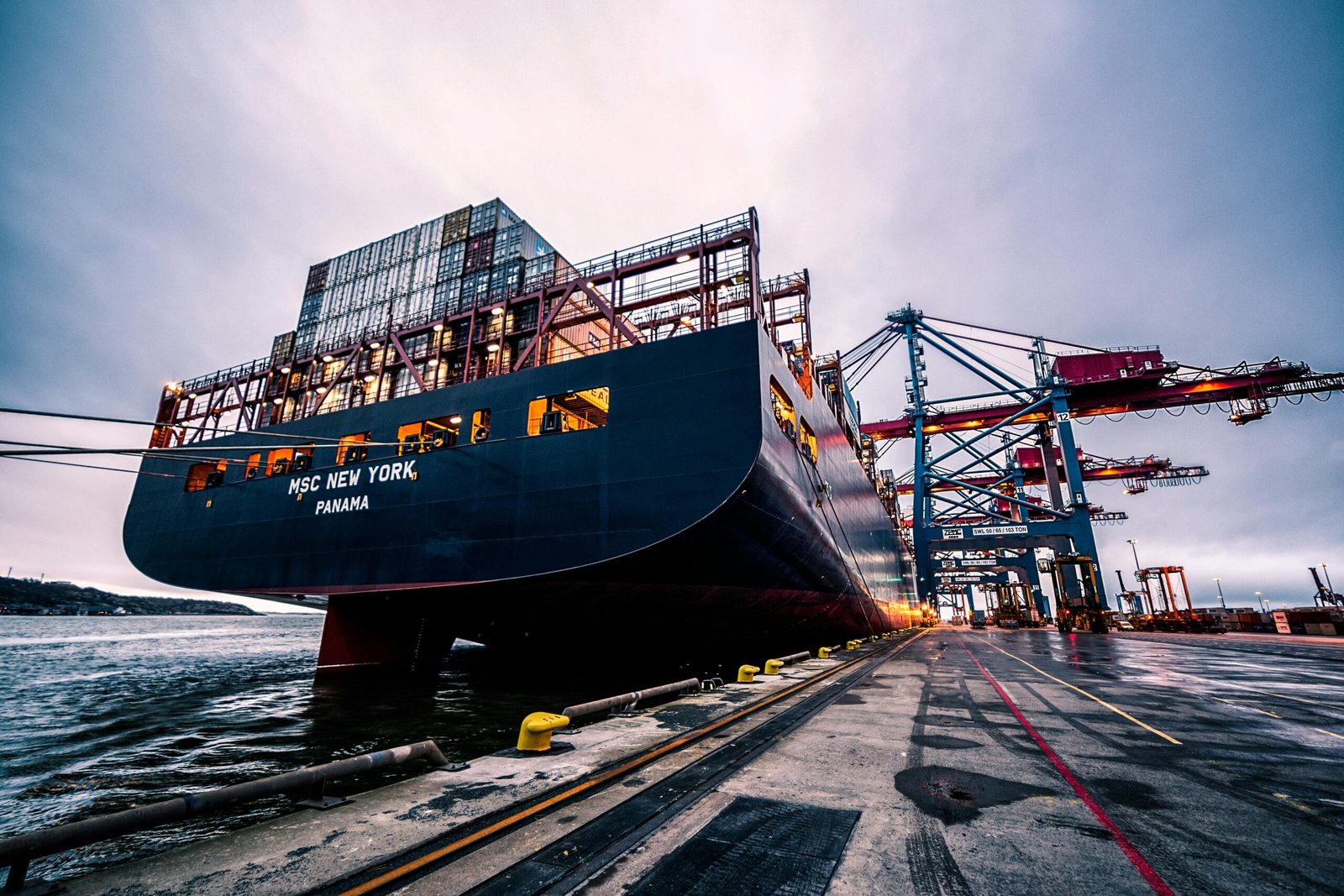
Sea freight pricing depends on several core factors, and Sancaktar ensures clarity and transparency based on global ocean freight rates.
This allows clients to fully understand costs before initiating any shipment—whether for FCL or LCL.
Impact of Container Size and Cargo Type on Cost
Prices vary depending on container type (20FT, 40FT, High Cube).
Heavy or oversized cargo requires special preparation.
Sensitive, ventilated, or refrigerated shipments increase cost.
Cargo volume determines whether full or partial loading is needed.
Some goods require special port charges depending on regulations.
Effect of Route and Destination on Freight Charges
Each maritime route has different pricing depending on the destination.
Longer distances increase cost due to extended transit time.
Busy ports may impose higher unloading fees.
Sailing schedules influence container booking prices.
Fast-route shipping lines offer shorter transit times at higher rates.
How Sancaktar Helps Reduce Your Sea Freight Cost
Selecting the most suitable route in terms of transit time and price.
Offering alternatives between FCL and LCL to adjust cost.
Direct negotiation with shipping lines for better ocean freight rates.
Advising clients on reducing cargo dimensions to lower handling charges.
Monitoring shipments to avoid late-arrival penalties at ports.
Sea Freight Compared to Other Transport Methods
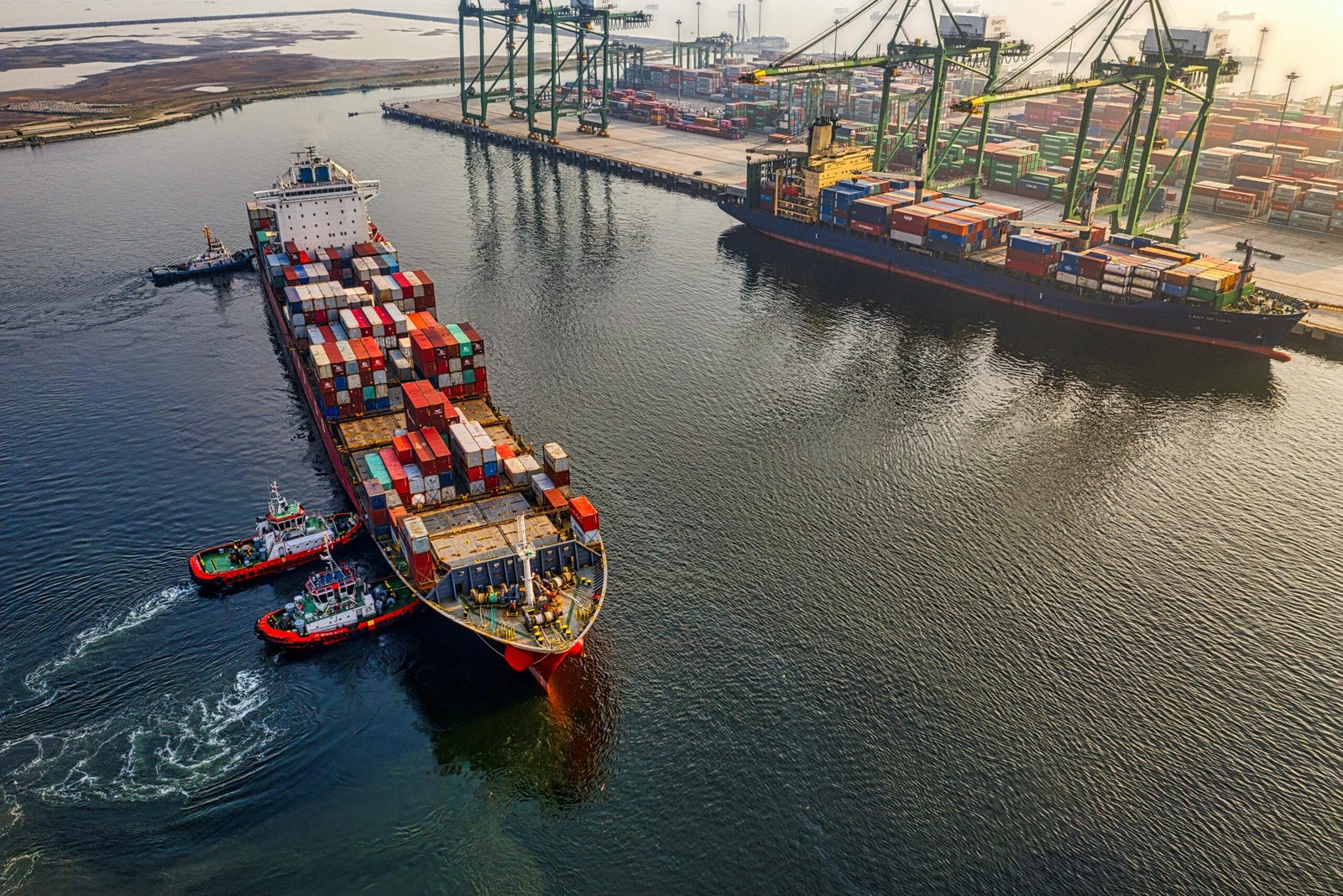
Sea Freight from Turkey is an economical and efficient option, especially for companies that transport large volumes of goods. When compared to air and land transport, sea freight provides clear competitive advantages in cost, capacity, and long-distance coverage. These strengths make it the preferred solution for businesses seeking regular shipping services through Turkish ports (e.g., Mersin, Istanbul).
Sea Freight vs. Air Freight – When to Choose Each?
- Air freight is significantly faster but noticeably more expensive.
- Sea Freight from Turkey is ideal for heavy or large shipments requiring economical solutions.
- Maritime transport is best for non-urgent cargo that can spend weeks in transit.
- Air freight suits small parcels or time-sensitive shipments requiring immediate delivery.
- Large companies often combine both methods depending on product type and delivery timelines.
These comparisons are essential for determining the most appropriate shipping strategy, especially when evaluating ocean freight rates and maritime insurance needs.
Sea Freight vs. Land Freight
- Sea freight is far more cost-effective for heavy loads.
- Land transport may face multiple borders and customs points, causing delays.
- Maritime transport provides greater capacity and can move bulk cargo in a single trip.
- Land routes are limited by geography, while sea routes reach destinations that trucks cannot access.
These distinctions help businesses choose the right logistic method based on cost of land freight versus ocean-based alternatives.
Which Types of Shipments Are Most Suitable for Sea Freight?
- Medium to large commercial cargo.
- Industrial goods, construction materials, and machinery.
- Heavy products where air freight would be too costly.
- Frozen food products that require refrigerated containers.
- Non-urgent shipments that can accommodate longer transit times.
Sea Freight from Turkey remains the optimal choice for many industries due to flexibility, capacity, and compatibility with Container shipping (FCL/LCL).
How Does the Sea Freight Process Work with Sengaktar?
1. Cargo Inspection and Container Selection
- Inspecting cargo type, weight, and dimensions.
- Selecting the container size (20FT / 40FT / High Cube) based on shipment needs.
- Ensuring compliance with international sea shipping regulations.
- Choosing the best loading method for safe transport.
This stage ensures the shipment is prepared to meet standards required by Turkish ports (e.g., Mersin, Istanbul).
2. Preparing Marine Documents and Packing Lists
- Issuing the Bill of Lading and official shipping documents.
- Preparing the packing list and commercial invoices.
- Verifying shipment details with the shipping line to ensure acceptance.
- Speeding up document preparation to avoid port delays.
This step is essential for smooth customs procedures and for enabling maritime insurance coverage.
3. Loading and Securing Cargo Inside the Container
- Using strong securing tools to prevent movement during the voyage.
- Organizing cargo to avoid shock, friction, or moisture damage.
- Adding extra protection layers for fragile goods.
- Sealing the container with an approved customs lock before handover.
These measures improve safety throughout Container shipping (FCL/LCL).
4. Vessel Tracking and Route Monitoring
- Monitoring vessel progress from departure at the Turkish port.
- Providing clients with continuous shipment updates.
- Observing sea conditions and shipping routes to ensure safe transit.
- Adjusting follow-up procedures if any changes affect arrival time.
This aligns with global standards for tracking ocean freight rates and vessel movements.
5. Unloading and Delivery at Destination Port
- Coordinating with the shipping agent at the arrival port.
- Providing a complete condition report to the client.
- Assisting with post-arrival procedures such as customs clearance if needed.
This ensures a professional end-to-end Sea Freight from Turkey experience.
Frequently Asked Questions About Sea Freight from Turkey
Transit time ranges from 10 to 35 days depending on the maritime route, destination, and vessel schedule.
Yes, small shipments can be transported through LCL services without booking a full container.
Pricing depends on cargo volume, container type, route, and port fees in the destination country.
Dry containers are used for standard cargo, while refrigerated containers are needed for food or temperature-sensitive products.
Yes, vessel tracking provides periodic updates on the ship’s location and route.
Yes, with refrigerated or insulated containers and proper protection materials, sensitive products can be safely shipped.
Contact Us
If you're looking for the best way to transport your goods by sea, Sengaktar offers Sea Freight from Turkey that ensures safety, excellent pricing, and continuous monitoring until your shipment arrives. We assist in selecting the right container, preparing documentation, and monitoring vessel movement step-by-step for a smooth, reliable shipping experience.
Phone
905058040431+
905445311278+
info@sancaktargroup.com
Our location in Istanbul
Fatih – Hotel Zada, next to the Tramway Station